 Dr. Jitendra
 Indira Nagar,Lucknow
  +91 9838263147
Stone & Prostate Disease
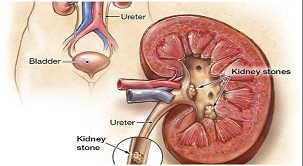
Stone disease is a very common urological disease. Kidney stones can cause the most unbearable pain, but sometimes kidney stones can exist
silently without any symptom. Stone disease can cause urinary tract infection and can damage the kidney if not treated adequately. Once a stone occurs,
its recurrence is common
What causes stone disease?
The urinary tract includes the kidneys, ureters, urinary bladder, and urethra. Stones can develop anywhere in the urinary tract, and they can vary significantly in size. Most stones occur due to a buildup of minerals or other substances, such as uric acid, which stick together in the urine and create a hard mass.
Uro-Oncology
Overview
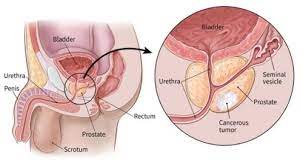
Uro-oncology, also known as urological oncology, is a specialised discipline of oncology that focuses on cancers of the urinary tract in both men and women, as well as tumours of the male reproductive organs.
This discipline comprises the risk assessment, prevention, screening, diagnosis, treatment and palliative care of patients with urological cancers.
Types of Urological Cancers
1. Adrenal Cancer: Adrenal cancer is a rare type of cancer that forms in the adrenal glands, which are the triangular glands that are located on top of both kidneys. Cortex and medulla are the two parts of the adrenal glands, and adrenal cancers usually form in the cortex.
2. Bladder Cancer: Bladder cancer occurs when the cells present in the lining of the bladder start growing abnormally. One of the first symptoms of bladder cancer is the presence of blood in the urine. Bladder cancer is more common in men than women.
3. Kidney Cancer: Also known as renal cancer, kidney cancer is a rare form of cancer that happens when the cells present in the kidneys start dividing uncontrollably. Smoking is one of the risk factors for kidney cancers. If detected early, kidney cancers can be treated successfully.
4. Prostate Cancer: Prostate cancer is one of the common cancers among Indian men. Prostate cancer occurs when the cells of the prostate gland divide uncontrollably. It is one of the highly treatable cancers that can be caught in the early stages through regular screening.
5. Testicular Cancer: Testicular cancer occurs when the cells present in the testicles or testes start dividing uncontrollably. It is one of the rare cancers, and it is more common among men aged between 15 and 45 years. Testicular cancers can be treated with positive clinical outcomes if detected in the early stages.
6. Urethral Cancer: This is a rare type of cancer that occurs when the cells present in the urethra (a tube through which urine is expelled out of the body) start dividing abnormally. Initially, the patient may not show any symptoms; however, as the disease progresses, the patient may have problems related to urination.
7. Penile Cancer: Penile cancer is one of the rare cancers, and it is more common among uncircumcised men. Chronic HPV infection is also a risk factor for penile cancer. Penile cancers are treated best when they are detected in their early stages. Patients need to be mindful of the changes in the colour, texture of the organ and presence of lesions, as these could be the signs of penile cancer.
Paediatrics Urology
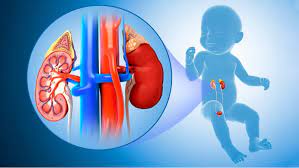
Pediatric urology is a surgical subspecialty of medicine dealing with the disorders of children's genitourinary systems. Pediatric urologists provide care for both boys and girls ranging from birth to early adult age. The most common problems are those involving disorders of urination, reproductive organs and testes.
AV Fistula & Renal Transplantation
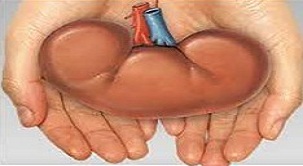
Creation of an arteriovenous (AV) fistula for haemodialysis therapy provides convenient access to the circulation in patients with end-stage renal disease. However, the chronic volume overload induced by the AV fistula induces structural and functional cardiac changes, including left ventricular remodelling, which may be deleterious. The balance between the need for vascular access and the deleterious effects of a patent AV fistula on cardiac function and morphology obviously favours the former in patients requiring long-term haemodialysis. After renal transplantation, however, the value of keeping an AV fistula patent is more uncertain and whether it should be closed after successful renal transplantation remains a matter of debate. Since recent studies have provided more insight into the cardiac and haemodynamic changes induced by the procedure, this review aims to summarize the pros and cons of AV fistula closure.
Male Infertility & Andrology
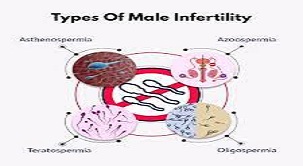
What is male infertility?
A couple is considered infertile if they have been unable to get pregnant after one year of frequent unprotected sexual intercourse. Male infertility is used to classify infertility when the female partner is known to be fertile.
Causes of male infertility
Male infertility usually results from problems with spermatogenesis. This can be due to hormonal problems, poor function of the testicles or blockages in the male urogenital tract.
Sperm production in the testicles can be reduced by:
Genetic conditions like Klinefelter syndrome
Varicocele
Testicular inflammation or injury
Severe illness
Undescended testes
Abnormal hormonal function due to genetics, infection, a cancerous or non-cancerous tumour, or as a consequence of surgery
Testosterone therapy
Anabolic steroid misuse or abuse
Opiate use
Obesity
Some medications.
Endo Urology, Laser & Laproscopic Surgery
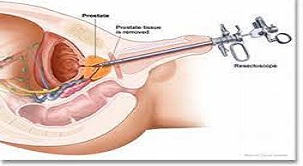
The laser is an excellent surgical instrument widely used in surgical oncology. In urology, the Thulium lasers can be used for the excision of tumors of the urethra, bladder, ureter and kidneys. The use of wavelengths, that are transmitted through fiber optics, allows the work to be performed easily by endoscope
Reconstructive Urology
Reconstructive urology is surgery to restore normal function by repairing, rerouting, or recreating areas of the upper and lower urinary tract and some reproductive organs
What is male reconstructive surgery?
Male reconstructive surgery is a procedure in which urologists reconstruct or rebuild a penis and surrounding structures. This procedure is also called male genitourinary reconstruction or penile reconstruction
All Disease ( Including Cancer ) of kidney, Ureter, Urinary Bladder, Prostate , Urethra , Testis , Penis & Adrenal Gland
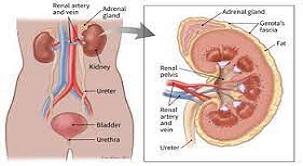
Kidney Cancer Symptoms
Blood in your urine, which may appear pink, red or cola colored.
Pain in your back or side that doesn't go away.
Loss of appetite.
Unexplained weight loss.
Tiredness.
Fever.
What are the warning signs of prostate problems?
Symptoms of Prostate Problems
Frequent urge to urinate.
Need to get up many times during the night to urinate.
Blood in urine or semen.
Pain or burning urination.
Painful ejaculation.
Frequent pain or stiffness in lower back, hips, pelvic or rectal area, or upper thighs.
Dribbling of urine.